
#ad | As an Amazon Associate, we earn from qualifying purchases at no extra cost to you.
Disclosure: As an Amazon Associate, I earn from qualifying purchases.
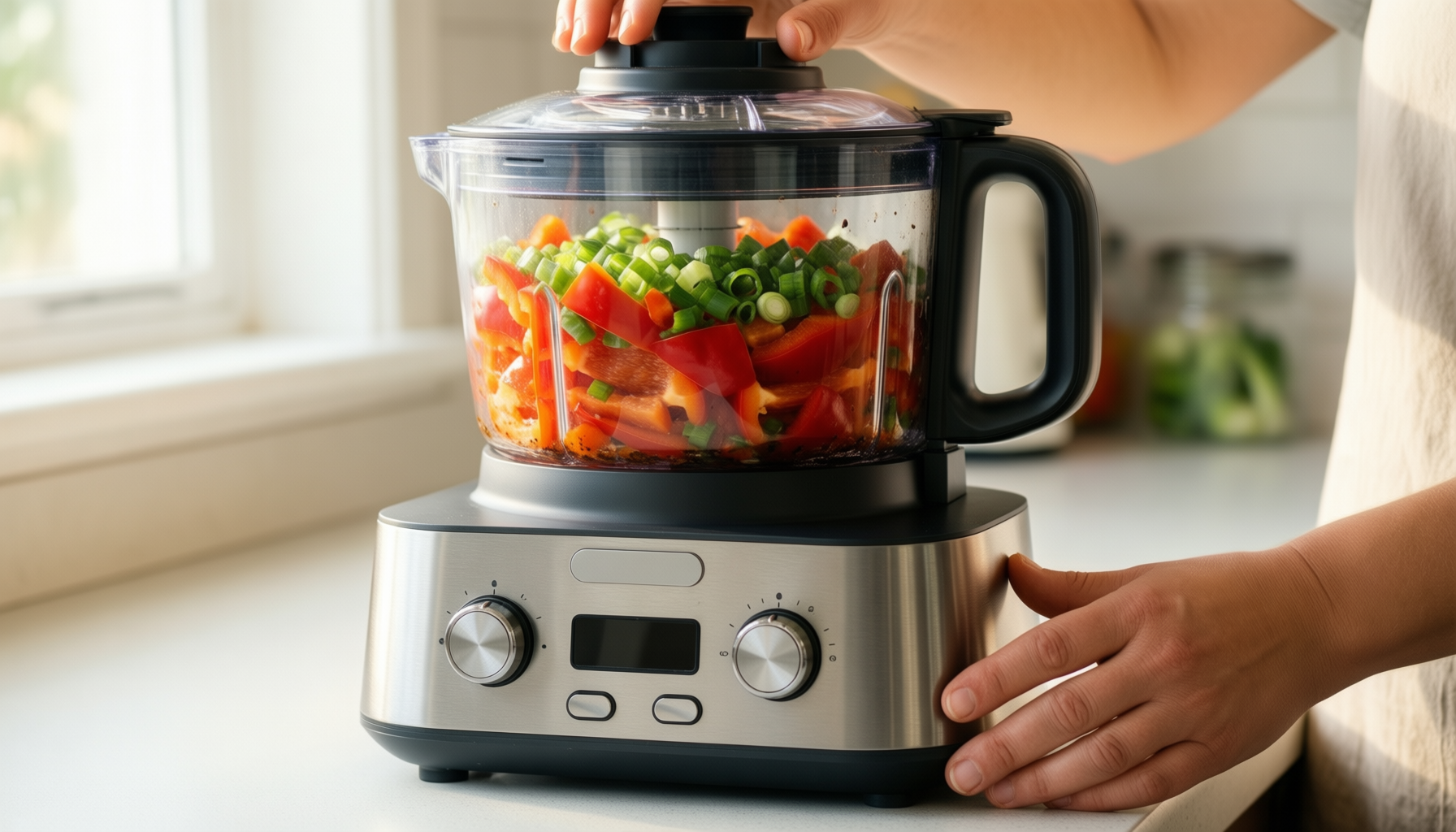
The Tupperware Super Dicer Food Chopper addresses a specific kitchen friction point: the need for consistent, uniform dice without the fatigue of repetitive knife work or the safety risks of open mandoline blades. Its standout feature is the vertical pressure handle mechanism, which allows for controlled, even force distribution across the blade assembly, ensuring that soft ingredients like peppers and onions are diced rather than crushed. This design prioritizes user safety and consistency over raw speed, making it a practical choice for daily home cooking rather than high-volume commercial prep.
🛒 Check Price on Amazon →✓ See today's price & reviews
For home cooks who prioritize safety and consistent dice size for daily soups, stir-fries, and salads, this tool offers a reliable alternative to manual chopping. The enclosed design prevents direct hand-to-blade contact, reducing the risk of cuts, while the vertical motion prevents food from sliding, ensuring clean cuts. However, the 875 ml capacity imposes a hard limit on batch size, making it unsuitable for large family meal prep or commercial quantities. This tool is best for those who value precision and safety in small-batch preparation, but should be skipped by those needing to process large volumes of hard root vegetables in a single go.
The Pressure Handle Mechanism and Dice Consistency
The core engineering of this model relies on a vertical pressure handle that operates differently from traditional push-down choppers. Instead of relying on the user’s body weight to drive the blade through the food, the handle applies a focused, downward force that engages the blade assembly with precision. This mechanism is designed to reduce the physical effort required for each cycle, which is particularly beneficial when processing softer ingredients that might otherwise squash or tear under uneven pressure. By maintaining a consistent angle and force, the tool helps achieve a more uniform dice size, which is critical for even cooking in dishes like stews and stir-fries.
For ingredients like onions and bell peppers, the pressure handle offers a distinct advantage over manual knife work. When dicing onions by hand, the release of sulfur compounds often causes eye irritation, and the repetitive chopping motion can lead to hand fatigue. This chopper allows the user to process these ingredients in a contained environment, reducing direct contact with the irritants. The vertical motion also prevents the food from sliding around on the base, ensuring that each press results in a clean cut rather than a drag. This consistency is what makes the tool reliable for recipes that require specific dice sizes, such as brunoise or fine dice, where irregular pieces can affect texture and cooking time.
The consistency of the dice size is further supported by the specific grid inserts provided. The large grid insert, with a 13.8 mm opening, produces a standard medium dice that is ideal for most everyday cooking applications. The small grid insert, at 6.8 mm, offers a finer cut suitable for garnishes or quick-cooking dishes. Unlike many competing models that offer only one or two blade options, this product includes three inserts, allowing for greater versatility in the kitchen. The disc insert, also at 6.8 mm, provides a different cutting profile, adding another layer of utility for those who prefer a specific texture. This variety ensures that the tool can handle a wide range of culinary needs without requiring additional equipment.
Grid Insert Specifications and Use Cases
The large grid insert is the workhorse of this tool, producing dice that are large enough to retain some texture while still cooking quickly. This size is particularly useful for vegetables like carrots and celery, which are common in soup bases and stir-fries. The 13.8 mm opening ensures that the pieces are substantial enough to not turn to mush during cooking, yet small enough to cook evenly. For home cooks who frequently prepare these dishes, this insert eliminates the need to manually chop large quantities of vegetables, saving time and effort.
The small grid insert and disc insert both operate at a 6.8 mm size, but they serve different purposes. The small grid insert is ideal for creating fine dice, which are perfect for garnishes, salsas, or quick-cooking dishes where a smaller piece size is desired. The disc insert, while similar in size, offers a different cutting action that may be preferred for certain textures. This dual approach at the same size allows users to experiment with different cutting styles to find what works best for their specific recipes. The inclusion of these multiple inserts at the same size highlights the manufacturer’s attention to detail and the desire to provide a comprehensive tool for various culinary needs.
Capacity Limits and Batch Size Realities
The 875 ml capacity of this chopper is a defining characteristic that sets clear boundaries on its use. This volume is sufficient for processing individual ingredients or small batches, but it is not designed for large-scale meal prep. For a family of four or more, or for commercial use, this capacity may be too small, requiring multiple cycles to process the desired amount of food. This limitation means that users must plan their workflow accordingly, processing ingredients in smaller batches to avoid overfilling the container. Overfilling can lead to uneven cutting and potential damage to the blade assembly, so it is important to respect the capacity limit.
The single-blade design also imposes a limitation on the types of ingredients that can be processed simultaneously. Unlike some electric choppers that can handle a mix of ingredients, this tool is best used for one ingredient at a time. This means that if you are preparing a dish that requires multiple diced vegetables, you will need to clean the blade and container between each ingredient. While this is not a significant drawback for most home cooks, it is worth noting for those who are looking for a tool that can handle complex, multi-ingredient prep in a single cycle. The need to clean between ingredients adds a small amount of time to the overall process, but it ensures that flavors do not mix and that the tool remains hygienic.
The non-slip base is another feature that contributes to the usability of this tool, particularly when dealing with the 875 ml capacity. The base is designed to stay firmly on the countertop, preventing the tool from sliding during use. This is important because the pressure handle applies significant force, and any movement of the base could lead to uneven cutting or even injury. The non-slip feet ensure that the tool remains stable, allowing the user to focus on the cutting process rather than worrying about the tool moving. This stability is a key factor in the safety and consistency of the tool, making it a reliable choice for daily use.
Managing Soft vs. Hard Ingredients
The pressure handle mechanism is particularly effective for soft ingredients like onions, peppers, and tomatoes. These ingredients are prone to squashing under uneven pressure, but the controlled force of the handle ensures that they are diced cleanly. The enclosed design also helps to contain the moisture and juices from these ingredients, keeping the countertop clean and reducing the mess associated with manual chopping. For home cooks who frequently prepare salads or salsas, this feature is a significant advantage, as it allows for a cleaner and more efficient prep process.
Harder ingredients like carrots and sweet potatoes present a different challenge. While the tool can handle these ingredients, the pressure required to cut through them is greater, and the user must ensure that the ingredient is properly positioned in the container. If the ingredient is too large or too hard, it may not cut cleanly, leading to uneven dice or potential damage to the blade. For this reason, it is recommended to peel and cut hard vegetables into smaller pieces before processing them in the chopper. This approach ensures that the tool operates within its intended parameters and produces the best possible results.
Safety Profile and Cleaning Ease
The safety profile of this chopper is a major advantage over open mandoline blades. The enclosed design means that the user’s hands are never in direct contact with the blade, reducing the risk of cuts and injuries. This is particularly important for home cooks who may not have the same level of knife skills as professional chefs. The pressure handle also provides a secure grip, reducing the risk of the tool slipping during use. For families with children or for users who are not comfortable with sharp knives, this tool offers a safer alternative for dicing vegetables and fruits.
Cleaning the tool is another area where it excels. The non-slip base and blade assembly are designed to be easy to clean, with no complex parts or crevices where food can get stuck. The container and inserts can be removed and washed by hand or in the dishwasher, depending on the material. This ease of cleaning is a significant advantage over electric choppers, which often have multiple parts that are difficult to clean and can harbor bacteria. For home cooks who value hygiene and convenience, this tool offers a practical solution that is easy to maintain and keep clean.
The plastic construction of the tool is another factor that contributes to its ease of use and cleaning. Plastic is lightweight and durable, making it easy to handle and store. It is also resistant to rust and corrosion, which is important for a tool that is used frequently and exposed to moisture. The plastic material is also easy to clean, with no porous surfaces that can absorb odors or stains. This makes the tool a hygienic choice for daily use, ensuring that it remains clean and safe for food preparation.
Blade Maintenance and Longevity
The extra sharp blade is a key feature of this tool, ensuring that it cuts cleanly and efficiently. However, like all blades, it requires regular maintenance to maintain its sharpness. Dull blades can lead to uneven cutting and increased effort, so it is important to keep the blade sharp. This can be done by using a honing steel or by taking the blade to a professional sharpener. Regular maintenance ensures that the tool continues to perform at its best and that the user gets the most out of it.
The durability of the blade is also a factor to consider. The blade is made from high-quality steel, which is resistant to wear and tear. This means that it should last for a long time with proper care. The plastic housing is also durable, with no sharp edges or fragile parts that can break easily. This makes the tool a long-term investment that can be used for many years without needing to be replaced. For home cooks who are looking for a reliable and durable tool, this chopper offers a solid choice that can withstand the rigors of daily use.
Who Should Skip This Chopper
Despite its many advantages, this chopper is not suitable for every type of user or every type of task. One group that should skip this tool is those who need to process large batches of food for commercial use or for large family gatherings. The 875 ml capacity is simply too small for these applications, and the time required to process large quantities in small batches would be inefficient. For these users, a larger, more powerful chopper or a food processor would be a better choice.
Another group that should consider skipping this tool is those who primarily work with very hard root vegetables like unpeeled carrots or sweet potatoes. While the tool can handle these ingredients, the pressure required to cut through them is greater, and the user must be careful to position them correctly to avoid damage to the blade. For users who frequently work with these hard vegetables, a mandoline or a food processor with a hard vegetable blade may be a more efficient and safer option. The single-blade design also means that it is not ideal for processing multiple ingredients simultaneously, which is a limitation for those who are looking for a tool that can handle complex, multi-ingredient prep.
Finally, users who are looking for a tool that can handle very fine mincing or pureeing should also consider other options. While the small grid insert and disc insert offer a fine cut, they are not as fine as a food processor or a mortar and pestle. For those who need a very fine texture, such as for sauces or pastes, a different tool would be more appropriate. This chopper is best suited for dicing and chopping, not for mincing or pureeing, so users should be clear about their needs before purchasing.
Final Verdict on the Tupperware Super Dicer
The Tupperware Super Dicer Food Chopper is a well-designed tool that addresses the specific needs of home cooks who value safety, consistency, and ease of use. Its pressure handle mechanism, multiple grid inserts, and non-slip base make it a reliable choice for daily dicing tasks. The 875 ml capacity is a limitation for large batches, but it is sufficient for most home cooking needs. The tool is best for those who want a safe and efficient way to dice vegetables and fruits without the fatigue and risk associated with manual knife work. For home cooks who are looking for a practical and durable tool, this chopper is a solid choice that offers excellent value for its features.
Who This Is Perfect For:
- Home cooks prioritizing safety: Individuals who want to avoid the risks of open mandoline blades or repetitive knife work.
- Preppers of soft vegetables: Those who frequently dice onions, peppers, and tomatoes for salads, salsas, and stir-fries.
- Users needing consistent dice sizes: Cooks who require uniform 13.8 mm or 6.8 mm pieces for even cooking in soups and stews.
Who Should Choose Alternatives Instead:
- High-volume preparers: Those cooking for large families or commercial settings who need to process more than 875 ml in a single cycle.
- Hard vegetable specialists: Users who frequently process unpeeled, hard root vegetables and prefer the speed of a food processor or mandoline.
- Mincing and pureeing needs: Cooks who require very fine textures for pastes or sauces, as this tool is designed for dicing, not pureeing.
🛒 Check Price on Amazon →✓ See today's price & reviews