

#ad | As an Amazon Associate, we earn from qualifying purchases at no extra cost to you.
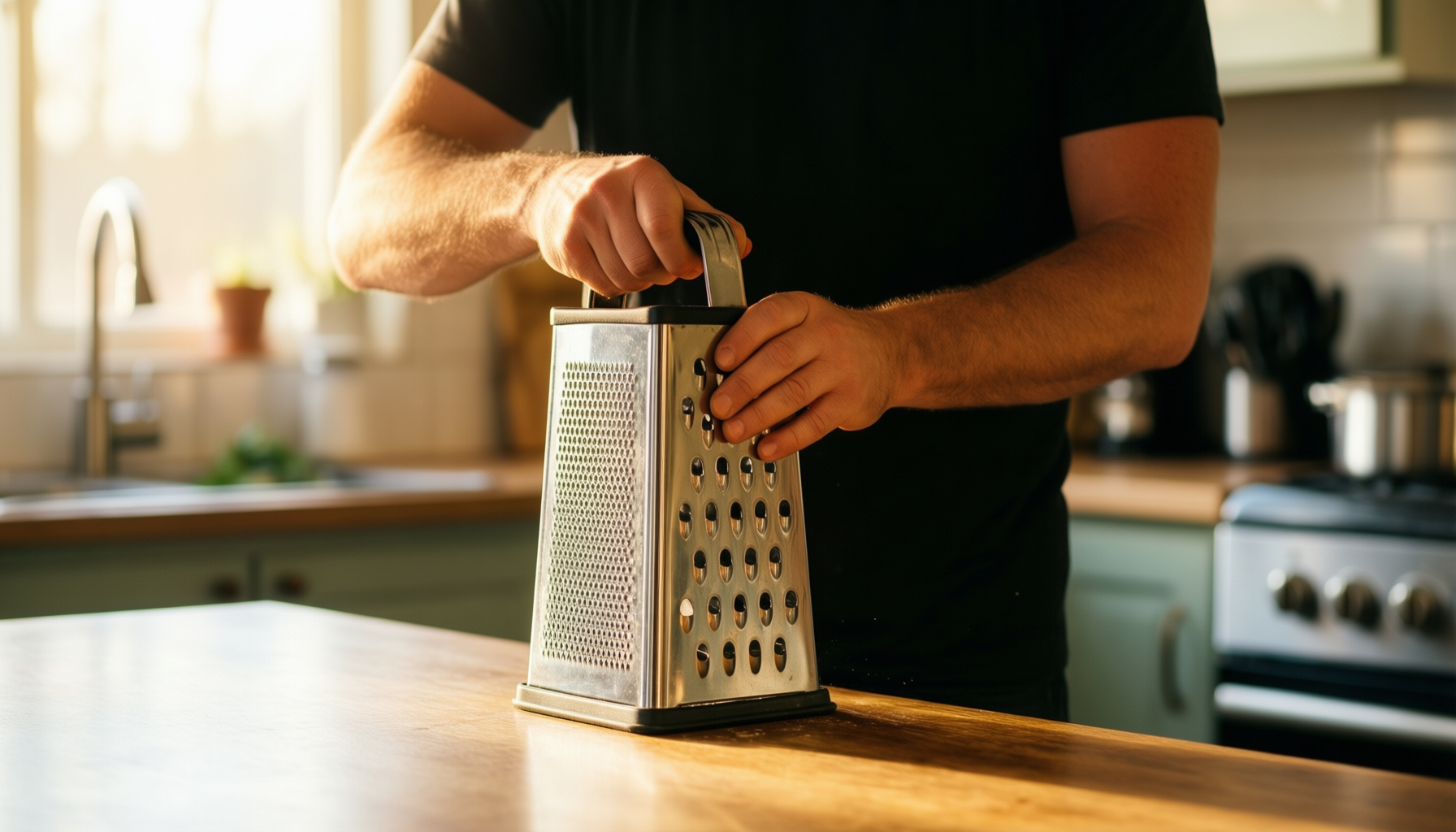
This Zyliss rotary cheese grater set addresses the inefficiency and mess associated with traditional grating by utilizing a rotating drum mechanism. This design allows for continuous, high-volume processing without the need to lift the tool repeatedly. The standout feature is the solid cast aluminum housing, which provides substantial stability and weight, ensuring the unit remains firmly in place during vigorous use. However, the primary limitation is the complexity of cleaning; the multiple stainless steel drums and intricate housing require disassembly and careful hand washing to prevent food residue from drying on the blades. This product is best for home cooks who prioritize speed and consistency when preparing large batches of grated cheese, vegetables, or chocolate, and who are willing to invest time in proper maintenance.
Fitting a Professional Slicer into a Compact UK Kitchen Counter
The physical footprint of this model is designed to balance stability with counter space efficiency. The entire housing is constructed from coated cast aluminum, a material choice that adds considerable mass to the base. This weight serves a functional purpose by increasing the friction between the unit and the work surface. In a standard UK kitchen, where worktops are often made of laminate or stone, this mass helps prevent the grater from sliding when applying downward pressure. The suction foot included in the set further anchors the device, creating a dual-locking system that is more secure than the simple rubber feet found on many lighter plastic competitors.
🛒 Check Price on Amazon →✓ See today's price & reviews
The rotary mechanism significantly alters the spatial requirements compared to traditional box graters. Because the drum rotates within the housing, the user does not need to lift the food item high above the surface and bring it down repeatedly. Instead, the food is fed into the top opening and pushed down with the plunger. This vertical motion is more compact and requires less overhead clearance than the sweeping, arcing motion often needed for handheld graters. For kitchens with lower cabinets or limited vertical space above the counter, this design allows for more comfortable operation without the risk of hitting cabinet doors or upper shelves.
Storage of the components is another critical factor for compact kitchens. The set includes a drum storage tube, which is a practical solution for keeping the three included stainless steel drums (fine, coarse, and slicing) organized. Without this tube, the individual drums can easily get lost in a drawer or become scratched against other utensils. The tube keeps them separated and protected, ensuring that the sharp edges remain intact and that the components are easy to locate when needed. This organized storage approach is a distinct advantage over single-piece graters, which, while easier to store, lack the versatility of interchangeable drums.
The Role of the Table Clamp in Stability
The inclusion of a table clamp is a specific feature that addresses the limitations of the suction foot alone. While the suction foot works well on smooth, non-porous surfaces like glass or polished stone, it can lose grip on textured or porous surfaces such as wood or certain types of laminate. The table clamp provides an alternative method of securing the grater, allowing it to be fixed to the edge of a table or counter. This is particularly useful for users who prefer to work at a different height or who find that the suction foot is insufficient for their specific worktop material. The clamp adds a layer of security that ensures the grater remains stationary, even when applying significant force to hard foods.
Managing the Drum Storage Tube
The drum storage tube is not just a storage solution; it is a maintenance tool. By keeping the drums in a dedicated tube, users can prevent the accumulation of dust and debris on the blades between uses. This is important because even small particles can affect the sharpness of the stainless steel edges over time. The tube also allows for easy inspection of the drums, enabling users to check for any signs of wear or damage before using them. This proactive approach to maintenance helps extend the lifespan of the grater and ensures consistent performance over time.
Who Should Skip This Set: The Clogging and Cleaning Reality
This Zyliss rotary cheese grater set is not ideal for users who prefer a “no-mess” single-piece tool that can be rinsed quickly under the tap. The design, while efficient for grating, creates a complex cleaning challenge. The housing, made of coated cast aluminum, has multiple crevices and angles where food particles can become trapped. The stainless steel drums, while durable, have intricate blade patterns that can clog with dense foods. This complexity means that a quick rinse is rarely sufficient; thorough disassembly and hand washing are required to ensure all parts are clean and free of residue.
The specific challenge of cleaning the fine grating drum with dense cheeses like cheddar is a significant consideration. Cheddar, especially when cold, is dense and can pack tightly into the small holes of the fine drum. This can lead to clogging, which not only stops the grating process but also makes cleaning more difficult. The food residue can dry and harden on the blades, requiring scrubbing to remove. Users who frequently grate hard cheeses should be prepared to spend extra time on cleaning to prevent this issue. The plunger, which has a hygienic cover, also needs to be cleaned carefully to ensure that no food particles remain in the mechanism.
For those who dislike disassembling parts after every use, this set may be frustrating. The need to remove the drums, clean the housing, and wash the plunger adds time to the post-cooking routine. While the process is straightforward, it is not instantaneous. Users who are looking for a tool that can be used and then put away with minimal effort may find this model too demanding. The 5-year guarantee provided by the brand suggests confidence in the durability of the materials, but it does not eliminate the need for regular maintenance to keep the tool in optimal condition.
The Challenge of Dense Cheeses
The interaction between dense cheeses and the fine drum is a critical point of failure for many users. When grating cheddar, the cheese can compress and stick to the blades, creating a blockage that prevents the drum from rotating freely. This requires the user to stop, remove the drum, and clear the blockage. This interruption in the workflow can be annoying, especially when preparing large quantities. The hygienic cover on the plunger helps to prevent direct contact with the food, but it does not prevent the cheese from sticking to the drum itself. Users should be aware that grating hard cheeses may require more frequent cleaning and attention to detail.
The Importance of Hand Washing
The product description explicitly recommends hand washing, which is a crucial detail for potential buyers. Dishwashers can be too harsh for the coated aluminum housing and the stainless steel drums, potentially damaging the coating or dulling the blades. Hand washing allows for more gentle and thorough cleaning, ensuring that all parts are properly cleaned without the risk of damage. This recommendation underscores the premium nature of the product; it is designed to last, but only if it is cared for properly. Users who are willing to invest the time in hand washing will likely find that the tool performs well over many years.
Zyliss vs. OXO: Handling Dense Vegetables and Safety Features
When comparing this Zyliss rotary cheese grater set to other options in the category, such as the OXO Good Grips line, several differences emerge in terms of handling and safety. The Zyliss model uses a cast aluminum housing, which provides a solid, heavy base. In contrast, many OXO models use plastic housings, which are lighter and more flexible. The weight of the Zyliss unit offers greater stability, which is beneficial when processing hard root vegetables like carrots and parsnips. The firmness of the cast aluminum prevents the unit from flexing under pressure, ensuring that the blades remain aligned and sharp.
The safety features of the Zyliss grater are designed to protect the user during operation. The plunger has a hygienic cover, which prevents direct contact with the food and reduces the risk of cuts. The drum mechanism is enclosed within the housing, meaning that the sharp blades are not exposed to the user’s hands. This is a significant safety advantage over handheld graters, where the user’s hand is in close proximity to the blades. The table clamp and suction foot further enhance safety by preventing the unit from moving unexpectedly, which could lead to accidents.
Ergonomics is another area where the Zyliss model stands out. The design, created in Switzerland, emphasizes ease of use and comfort. The plunger is designed to be easy to grip and operate, with a smooth motion that reduces strain on the wrist. This is particularly important for users with limited grip strength or those who have arthritis. The compact size of the unit also makes it easier to handle, reducing the need for excessive force. In comparison, some plastic graters can feel flimsy and may require more effort to operate, which can be tiring over time.
Blade Sharpness and Durability
The stainless steel drums are a key feature of this product, offering superior sharpness and durability compared to plastic or coated metal alternatives. The stainless steel material is resistant to corrosion and can maintain its edge over many years of use. This is important for users who grate frequently, as dull blades can make the process more difficult and less efficient. The Zyliss drums are designed to be sharp enough to handle a wide range of foods, from soft cheeses to hard vegetables, without clogging or breaking.
Ergonomic Design for Comfort
The ergonomic design of the Zyliss grater is focused on reducing user fatigue. The plunger is shaped to fit comfortably in the hand, and the motion is smooth and controlled. This is a significant advantage over tools that require a sawing motion, which can be tiring and less precise. The compact size of the unit also makes it easier to store and transport, which is beneficial for users who have limited kitchen space. The overall design reflects a commitment to quality and user experience, making it a worthwhile investment for serious home cooks.
Maintaining the Rotary Blades to Prevent Rust and Dullness
Proper maintenance is essential to keep this Zyliss rotary cheese grater set performing at its best. The stainless steel drums are resistant to rust, but they can still develop water spots if not dried properly. After each use, it is important to rinse the drums thoroughly and dry them with a soft cloth. This prevents the buildup of moisture, which can lead to water spots and, over time, potential corrosion. The cast aluminum housing should also be wiped down to remove any food residue, ensuring that the coating remains intact.
Clearing clogged grates is a common maintenance task for this type of grater. When food particles become trapped in the blades, they can affect the performance of the drum. To clear a clog, the drum should be removed and gently brushed with a soft-bristled brush. This helps to remove any stuck food without damaging the sharp edges of the blades. It is important to avoid using abrasive materials or harsh chemicals, as these can scratch the stainless steel and dull the blades. Regular cleaning after each use is the best way to prevent clogs from becoming a problem.
Long-term storage tips are also important for preserving the quality of the grater. The drums should be stored in the provided tube to protect them from dust and debris. The housing should be kept dry and in a cool, dry place to prevent any potential damage to the coating. By following these simple maintenance steps, users can ensure that their grater remains sharp and efficient for many years. The 5-year guarantee provided by the brand reflects the confidence in the durability of the materials, but proper care is still necessary to maximize the lifespan of the tool.
Drying the Mechanism Correctly
Drying the mechanism is a critical step in preventing rust and water spots. The cast aluminum housing and the stainless steel drums should be dried thoroughly after each wash. This can be done by wiping them with a soft cloth or by allowing them to air dry in a well-ventilated area. It is important to ensure that no water remains in the crevices of the housing, as this can lead to the buildup of moisture and potential corrosion. Proper drying helps to maintain the integrity of the materials and ensures that the grater remains in good condition.
Storage Tips for Longevity
Storing the grater correctly is another key aspect of maintenance. The drums should be stored in the provided tube to protect them from damage and contamination. The housing should be stored in a dry place, away from direct sunlight and moisture. This helps to prevent any potential damage to the coating and ensures that the grater remains in good condition for long-term use. By following these storage tips, users can extend the lifespan of their grater and enjoy its performance for many years.
Final Verdict
Who This Is Perfect For: This Zyliss rotary cheese grater set is an ideal choice for home cooks who frequently prepare large batches of grated ingredients, such as cheese, vegetables, or chocolate. It is particularly well-suited for users who value stability and precision, as the heavy cast aluminum housing and enclosed drum mechanism provide a secure and safe grating experience. If you have the patience to disassemble and hand-wash the components after use, this tool offers a durable, high-performance solution that can handle dense foods with consistency.
Who Should Choose Alternatives: You should look for a simpler, single-piece grater if you prioritize speed of cleanup over grating capacity. This set is not suitable for users who dislike disassembling parts or who prefer to rinse tools quickly under the tap. Additionally, if your primary use case involves only small, occasional amounts of soft cheese, the complexity and weight of this rotary system may be more than necessary. For those who frequently grate hard, dense cheeses like cheddar and do not want to deal with frequent clogging and detailed scrubbing, a simpler handheld or box grater might be a more practical daily driver.
🛒 Check Price on Amazon →✓ See today's price & reviews