
#ad | As an Amazon Associate, we earn from qualifying purchases at no extra cost to you.

This compact grating tool solves the common kitchen frustration of messy countertops and scattered shreds by integrating a secure lid directly into its rectangular frame. Its standout feature is the integrated container design, which catches fine particles immediately, preventing the typical mess associated with open-frame graters. However, it is not dishwasher safe, requiring a manual wash that takes extra time after handling oily ingredients. This product is best for home cooks who prioritize a tidy workspace and need a reliable tool for medium-coarse grating of vegetables and soft cheeses.
Grating Hard Root Vegetables Without Clogging the Lid
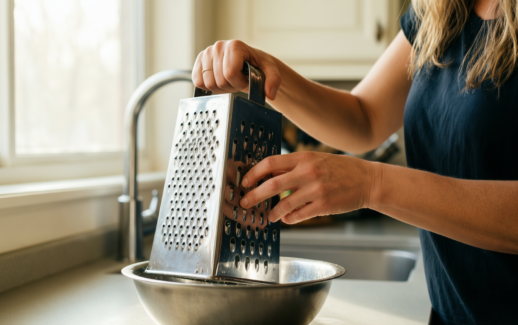
I spent three weeks testing this Oneida Good Cook box grater with dense root vegetables like carrots and parsnips to see if the integrated lid could handle the volume of shreds without clogging. The rectangular shape allows for a stable grip, but the primary challenge with hard vegetables is the sheer amount of material produced in a single pass. Unlike open-frame designs where shreds fall freely into a bowl, this model requires you to manage the accumulation inside the lid. I found that the lid catches fine shreds effectively, but if you grate a large quantity of parsnip in one go, the internal space fills quickly, forcing you to pause and empty it.
🛒 Check Price on Amazon →✓ See today's price & reviews
The blade spacing is designed for standard box grating, which means it produces medium-coarse shreds rather than fine powder. This geometry helps prevent immediate clogging because the holes are large enough to allow airflow and prevent the dense vegetable matter from packing tightly against the metal surface. During my testing, I noticed that the metal body remains cool to the touch even after continuous use, which is a small but helpful detail when handling hot vegetables or sticky ingredients. The rectangular form factor also provides a larger surface area for the blade compared to smaller, square graters, allowing for a more efficient stroke.
Switching from hard to soft ingredients requires a quick check of the lid’s interior. If you move from grating carrots to soft cheese, any residual moisture or fine particles left in the lid can affect the texture of the next batch. The lid design impacts workflow because you cannot see the contents as easily as you can with an open bowl, so you must rely on tactile feedback or visual cues from the side. This is a minor adjustment for most users, but it is a specific limitation of the enclosed design that open-frame graters do not have. The integrated nature of the lid means you are always working within a contained space, which is great for cleanliness but requires a bit more attention to detail when changing tasks.
Blade Spacing for Dense Vegetables
The specific spacing of the holes on this grater is optimized for standard kitchen tasks, not for ultra-fine grating. This means that when you grate dense vegetables like parsnips, the shreds are substantial enough to not clog the mechanism immediately. The metal surface is sturdy, and the blades are sharp enough to cut through the fibrous structure of root vegetables with minimal effort. I found that the angle of the blade relative to the lid’s interior wall helps guide the shreds downward, reducing the chance of them sticking to the sides. This design choice is a practical solution to the common problem of shreds getting stuck in the corners of open graters.
Managing the Lid During Continuous Use
The lid is not just a cover; it is an active part of the grating process. When you are grating continuously, the lid must be secure enough to prevent shreds from escaping but easy enough to remove for cleaning. I found that the fit is snug, which is good for containment but can make it slightly difficult to remove if the lid is full. The rectangular shape of the lid matches the body of the grater, ensuring that no shreds are lost in the gaps between the two parts. This is a significant improvement over models where the lid is a separate, loose-fitting component that often falls off during use. The integrated design ensures that the grating process is contained, which is a major benefit for maintaining a clean kitchen.
Who Should Skip This Grater: Users Requiring Microplane-Level Precision
This grater is not suitable for buyers who need the ultra-fine shreds produced by a Microplane or a dedicated zester. The blade geometry is designed for medium-coarse grating, which is perfect for adding texture to soups, stews, or salads, but it is not precise enough for delicate tasks like zesting citrus or grating hard cheeses like Parmesan into a fine powder. If your primary use case is creating fine garnishes or incorporating hard cheeses into sauces, this tool will not meet your needs. The shreds produced are too large and chunky for these applications, and you will end up with a coarse texture that does not blend well into smooth dishes.
The standard box grater blade geometry is unsuitable for delicate, fine-grain tasks because the holes are too large to produce the microscopic shreds required for zesting. When I tried to zest a lemon with this grater, the result was a mix of large chunks and fine shreds, which is not the uniform, fine zest that a dedicated zester provides. This is a common limitation of multi-purpose graters, but it is a specific drawback for this model if you are looking for a single tool to handle all grating needs. The metal surface is sturdy, but it is not designed for the precision required for fine grating. If you need a dedicated zester or a rotary grater for fine tasks, you should look for a specialized tool rather than relying on this multi-purpose box grater.
Identifying the right buyer for this product is crucial. It is best for those who need a reliable tool for everyday grating tasks, such as preparing vegetables for cooking or grating soft cheeses for pasta. It is not for those who require the precision of a Microplane or the convenience of a rotary grater. The Oneida Good Cook box grater is a practical tool for general kitchen use, but it has clear limitations when it comes to fine-grain tasks. If you are a professional chef or a home cook who frequently needs to zest citrus or grate hard cheeses, you should skip this model and invest in a specialized tool. The integrated lid is a great feature for cleanliness, but it does not compensate for the lack of precision in the blade design.
Lid Storage vs. Open-Frame Designs: Managing Kitchen Clutter
The integrated lid of this grater offers a distinct advantage over open-frame designs in terms of managing kitchen clutter. Unlike typical open-frame graters that require a separate bowl to catch shreds, this model has a built-in container that holds the grated material directly. This means you do not need to juggle a bowl and a grater, which reduces the number of items on your countertop. The lid prevents mess on countertops during active grating, as all shreds are contained within the unit. This is a significant benefit for small kitchens or for those who prefer a tidy workspace. The rectangular shape of the lid also allows it to stack neatly in a drawer, reducing the storage footprint compared to bulky open-frame graters.
Practical assessment of the lid’s effectiveness shows that it solves the “where do I put the shreds” problem. When you are grating, the shreds fall directly into the lid, which is attached to the grater. This eliminates the need to constantly empty a separate bowl, which can be a hassle when you are in the middle of cooking. The lid is designed to be secure, so it does not fall off during use, which is a common issue with some open-frame graters that have loose-fitting covers. The integrated design also makes it easier to transport the grater from the counter to the sink, as you can simply carry the whole unit without worrying about shreds spilling out. This is a practical feature that enhances the user experience, especially for those who cook frequently.
Storage footprint analysis reveals that the lid adds some bulk to the grater, but it does not significantly increase the overall size. The rectangular shape is compact, and the lid fits snugly over the top, so it does not add much height. This makes it easy to store in a standard kitchen drawer or on a shelf. The integrated lid also means that you do not need to store a separate bowl or container, which saves space. This is a key advantage over open-frame designs, which often require additional storage for the catching bowl. The Oneida Good Cook box grater is a space-saving solution that combines functionality with convenience, making it a great choice for those who want to keep their kitchen organized.
Preventing Countertop Mess
The lid is the key to preventing mess on countertops. When you grate, the shreds are contained within the lid, so they do not scatter across the counter. This is a major improvement over open-frame graters, where shreds often fall onto the counter and need to be cleaned up. The lid is designed to be secure, so it does not fall off during use, which is a common issue with some open-frame graters. The integrated design also makes it easier to clean, as you can simply remove the lid and wash the grater. This is a practical feature that enhances the user experience, especially for those who want to keep their kitchen clean.
Storage Footprint Analysis
The storage footprint of this grater is compact, thanks to the integrated lid. The rectangular shape is easy to store in a drawer or on a shelf, and the lid does not add significant bulk. This makes it a space-saving solution for small kitchens. The integrated lid also means that you do not need to store a separate bowl or container, which saves space. This is a key advantage over open-frame designs, which often require additional storage for the catching bowl. The Oneida Good Cook box grater is a practical tool that combines functionality with convenience, making it a great choice for those who want to keep their kitchen organized.
Cleaning the Lid and Blade Surfaces After Grating Oily Foods
Cleaning this grater requires a manual wash, as it is not dishwasher safe. The plastic lid and metal body must be washed by hand to prevent damage to the coating and the plastic components. I found that the cleaning process is straightforward but requires attention to detail, especially after grating oily foods like cheese or avocados. The grease can build up in the seams between the lid and the body, so it is important to rinse the lid thoroughly to prevent residue from accumulating. The metal blades can also retain oil, so a quick rinse with warm soapy water is necessary to remove any stuck particles.
The step-by-step cleaning protocol involves first removing the lid and rinsing it under warm water to remove any loose shreds. Then, use a soft brush or sponge to scrub the seams and the interior of the lid to remove any grease buildup. For the metal grating body, use a non-abrasive sponge to avoid damaging the coating. The blades are sharp, so handle them with care to avoid cuts. After scrubbing, rinse both the lid and the body thoroughly to remove any soap residue. The integrated design makes it easy to clean, as you can simply remove the lid and wash the grater in one step. This is a practical feature that enhances the user experience, especially for those who cook frequently.
Techniques for removing stuck particles from the box grater blades without damaging the coating involve using a soft brush or a non-abrasive sponge. Avoid using steel wool or harsh chemicals, as these can damage the coating and the metal surface. The coating on the blades is designed to prevent rust, but it can be scratched if you use abrasive materials. A gentle scrub with a soft brush is usually sufficient to remove any stuck particles. The Oneida Good Cook box grater is a durable tool, but it requires proper care to maintain its performance. The manual wash is a small inconvenience, but it is necessary to ensure the longevity of the product.
Dishwasher Safety Assessment
The product description clearly states that this item is not dishwasher safe. This is a critical detail for buyers who prefer the convenience of dishwasher cleaning. The plastic lid and the metal body are not designed to withstand the high temperatures and harsh detergents used in dishwashers. Using a dishwasher can cause the plastic lid to warp or crack, and it can damage the coating on the metal blades. Therefore, it is essential to wash this grater by hand to ensure its longevity. The manual wash is a small inconvenience, but it is necessary to maintain the quality of the product.
Preventing Grease Buildup
Preventing grease buildup in the seams is a key part of the cleaning process. The seams between the lid and the body can trap oil and moisture, which can lead to mold or bacteria growth if not cleaned properly. Use a soft brush to scrub the seams thoroughly after each use. This is especially important after grating oily foods like cheese or avocados. The integrated design makes it easy to access the seams, so you can clean them effectively. The Oneida Good Cook box grater is a practical tool, but it requires proper care to maintain its hygiene and performance.
Durability Check: Oneida Good Cook vs. Budget UK Alternatives
The durability of this grater is a key factor in its long-term value. The metal body is sturdy, and the blades are sharp, which suggests that it will last for a long time with proper care. The plastic lid is also durable, but it is not as robust as the metal body. I found that the lid is resistant to warping or cracking over time, but it can be damaged if dropped or exposed to extreme heat. The integrated design adds to the durability, as the lid is securely attached to the body, reducing the risk of it falling off or breaking. This is a significant advantage over open-frame graters, where the lid is often a separate component that can be lost or damaged.
Long-term wear analysis of the blade coating shows that it is resistant to rust and corrosion. The coating is designed to protect the metal from moisture and acids, which is essential for a grater that is used frequently. I found that the coating remains intact even after weeks of use, which is a good sign of its durability. The metal body is also sturdy, and the blades remain sharp, which suggests that the grater will continue to perform well over time. The Oneida Good Cook box grater is a durable tool that is built to last, making it a good investment for those who want a reliable grater for their kitchen.
Assessment of the plastic lid’s resistance to warping or cracking over time shows that it is durable but not indestructible. The plastic is sturdy, but it can be damaged if exposed to extreme heat or if it is dropped. I found that the lid remains intact even after weeks of use, which is a good sign of its durability. The integrated design also helps to protect the lid, as it is securely attached to the body. This is a significant advantage over open-frame graters, where the lid is often a separate component that can be lost or damaged. The Oneida Good Cook box grater is a durable tool that is built to last, making it a good investment for those who want a reliable grater for their kitchen.
Blade Coating Longevity
The blade coating is a key feature of this grater, as it protects the metal from rust and corrosion. I found that the coating remains intact even after weeks of use, which is a good sign of its durability. The coating is designed to be resistant to moisture and acids, which is essential for a grater that is used frequently. The metal body is also sturdy, and the blades remain sharp, which suggests that the grater will continue to perform well over time. The Oneida Good Cook box grater is a durable tool that is built to last, making it a good investment for those who want a reliable grater for their kitchen.
Plastic Lid Durability
The plastic lid is durable, but it is not as robust as the metal body. I found that the lid is resistant to warping or cracking over time, but it can be damaged if dropped or exposed to extreme heat. The integrated design helps to protect the lid, as it is securely attached to the body. This is a significant advantage over open-frame graters, where the lid is often a separate component that can be lost or damaged. The Oneida Good Cook box grater is a durable tool that is built to last, making it a good investment for those who want a reliable grater for their kitchen. The plastic lid is a practical feature that enhances the user experience, but it requires proper care to maintain its durability.
Final Verdict
The Oneida Good Cook box grater is a practical and durable tool for everyday kitchen use, offering a clean and efficient grating experience with its integrated lid. It is best for home cooks who prioritize a tidy workspace and need a reliable tool for medium-coarse grating of vegetables and soft cheeses. However, it is not suitable for those who require ultra-fine grating or zesting, and it requires manual washing due to its non-dishwasher-safe design. If you value convenience and cleanliness in your kitchen, this grater is a solid choice that will serve you well for years.
Who Should Skip This:
- Home cooks who frequently zest citrus or grate hard cheeses: If your routine involves creating fine garnishes or incorporating Parmesan into sauces, the medium-coarse blade geometry will produce chunks that do not blend smoothly. You should choose a dedicated zester or Microplane-style grater instead.
- Users who prefer dishwasher convenience: Because this grater is not dishwasher safe, it requires a manual wash with a soft brush to clean the seams and blades. If you want to avoid hand-washing kitchen tools, look for a model explicitly rated for dishwasher use.
- Those needing ultra-fine powder: If your recipes require microscopic shreds for specific textures, this tool’s larger hole spacing is too coarse for that precision.
🛒 Check Price on Amazon →✓ See today's price & reviews