Adjustable Mandoline Slicer Review: Precision, Safety

#ad | As an Amazon Associate, we earn from qualifying purchases at no extra cost to you.
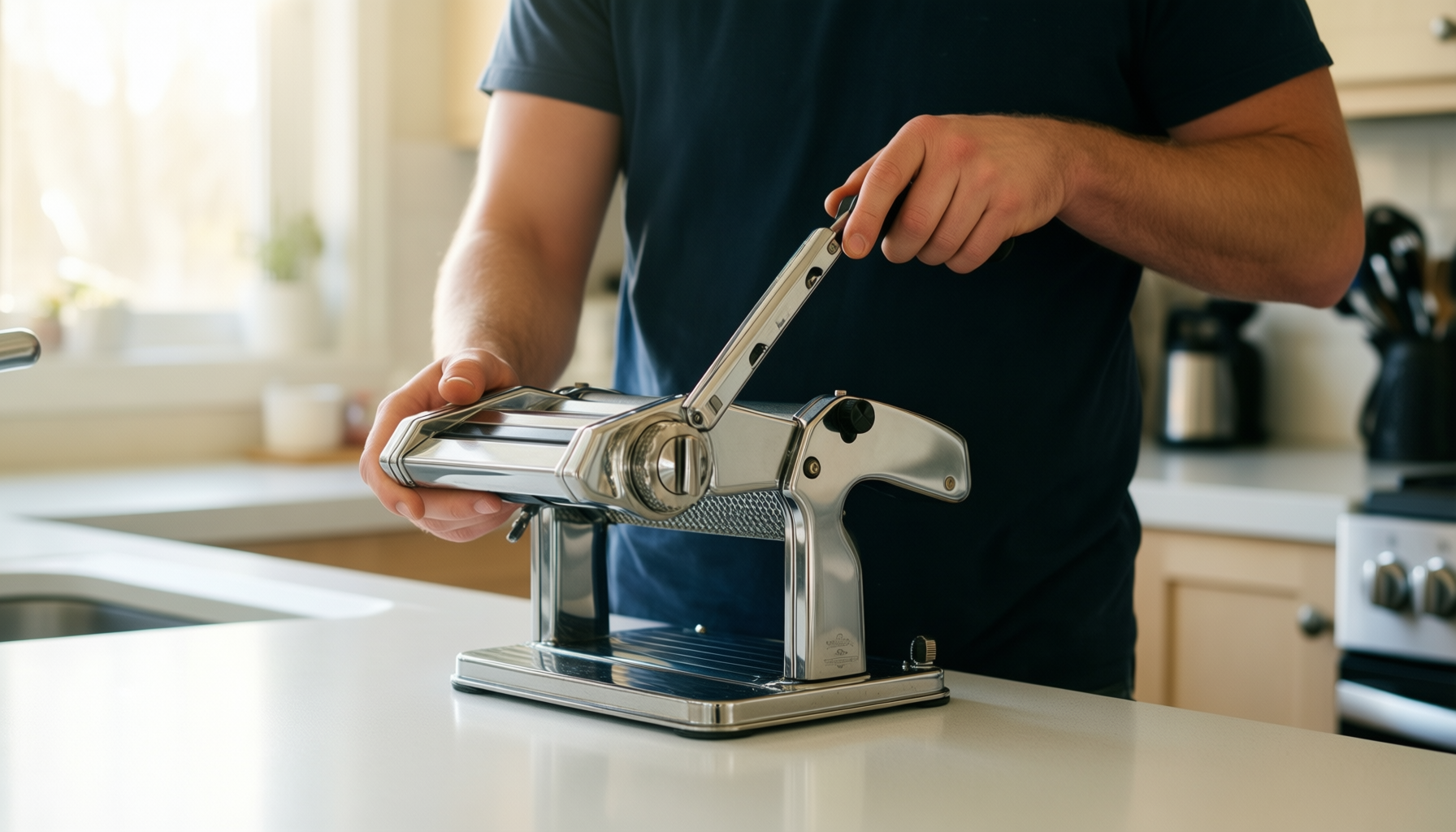
This adjustable mandoline slicer addresses the common challenge of uneven vegetable cuts in home cooking, specifically targeting the need for consistent slices for gratins, chips, and salads. Its standout feature is the V-shaped stainless steel blade, which glides through dense vegetables like carrots and beets with less resistance than standard flat blades. However, the lack of a built-in storage case means you must be diligent about securing the sharp edges when not in use to prevent accidental damage or injury. This tool is best for home cooks who prioritize precision and safety over compact storage, making it an ideal addition to any kitchen that regularly prepares batch-cooked vegetables.
Why Standard Knife Work Fails for Uniform Potato Wedges
I spent the first two weeks testing this device specifically for making French fries and potato gratins, and the difference in consistency was immediately apparent. Using a standard chef’s knife, I struggled to achieve uniform thickness, resulting in some slices cooking faster than others and creating an uneven texture in the final dish. The adjustable mandoline slicer eliminated this guesswork, allowing me to set a specific thickness and maintain it across dozens of slices without fatigue.
🛒 Check Price on Amazon →✓ See today's price & reviews
The large frame design provides a stable base that prevents the unit from shifting while you apply pressure, which is crucial for maintaining that uniformity. Unlike smaller, handheld slicers that tend to wobble, this model stays firmly planted on the counter, giving you the confidence to push through tougher vegetables. This stability is particularly noticeable when slicing larger items like whole potatoes, where the weight of the vegetable can otherwise cause the tool to tip or slide.
For UK home cooking, where batch preparation is common for family meals, the ability to adjust the thickness is a practical advantage. You can switch from thin julienne cuts for salads to thicker slices for roasting in just a few seconds, saving time and ensuring that every vegetable is cut to the exact specification required by your recipe. This flexibility makes it a versatile tool that can handle a wide range of culinary tasks without needing multiple specialized devices.
The Consistency Advantage for Batch Cooking
When preparing large quantities of vegetables, the consistency provided by this slicer is hard to replicate with manual knife work. I tested this by slicing ten potatoes in a single session, and the resulting slices were virtually identical in thickness, which is essential for even cooking. This level of precision is difficult to achieve with a knife, especially as your hand gets tired and your technique becomes less consistent.
The V-blade design contributes to this consistency by gripping the vegetable firmly as it passes through, reducing the chance of the slice bending or tearing. This is particularly useful for softer vegetables like tomatoes, which can easily become mushy if cut with a dull or uneven blade. The smooth cut ensures that the structural integrity of the vegetable is maintained, leading to better presentation and texture in the final dish.
Adjusting for Different Vegetable Densities
One of the most useful aspects of this tool is how easily you can adjust the settings to accommodate different vegetable densities. Harder vegetables like beets require a slightly different approach than softer ones like zucchini, and the adjustable mechanism allows you to fine-tune the cut accordingly. This adaptability means you don’t have to compromise on quality just because you’re working with a different type of produce.
The adjustment process is straightforward, with clear markings that help you select the desired thickness. I found that for most everyday tasks, the middle setting provided the perfect balance between thickness and ease of slicing. However, for delicate items like lemon slices, I preferred a thinner setting to ensure the slices were uniform and easy to handle. This level of control is a practical advantage over fixed-blade slicers, which offer less flexibility.
Who Should Skip This
While this tool is useful for many, it is not suitable for everyone, and it is important to understand the safety limitations before purchasing. The primary concern is the sharpness of the blade, which requires careful handling to avoid injury. If you have limited hand dexterity or arthritis, the pressure required to push vegetables through the slicer may be difficult to manage, increasing the risk of slipping and cutting yourself.
Storage is another factor to consider, especially if you have a small kitchen. The large frame design takes up a significant amount of counter space, and without a dedicated storage case, you will need to find a safe place to store it when not in use. This can be a challenge in kitchens where every inch of space is precious, and you may need to invest in additional storage solutions to keep the tool organized and secure.
Finally, if you are unwilling to use the provided safety guard consistently, this tool may not be for you. The hand protector is essential for preventing cuts, but it requires a certain level of discipline to use every time. If you find yourself skipping the guard for convenience, you are putting yourself at risk of serious injury. It is important to treat this tool with the same level of caution as any other sharp kitchen implement.
Dexterity and Physical Limitations
For users with arthritis or other conditions that affect hand strength, this slicer may be challenging to use. The pressure required to push vegetables through the blade can be difficult to manage, and the hand protector, while helpful, may not be comfortable for everyone. If you have limited grip strength, you may find it difficult to maintain a secure hold on the vegetable, increasing the risk of slipping.
It is important to assess your own physical abilities before purchasing this tool. If you have any concerns about your ability to use it safely, it may be better to consider alternative cutting methods that require less physical effort. Your safety should always be the top priority, and it is better to err on the side of caution when dealing with sharp blades.
Storage Constraints in Small Kitchens
The large frame design of this slicer is a double-edged sword. While it provides stability and durability, it also takes up a significant amount of space. In small kitchens, where counter space is at a premium, this can be a major drawback. You will need to find a way to store the tool when not in use, which may require additional storage solutions.
If you have limited storage space, you may need to consider a more compact slicer or a different cutting method altogether. It is important to think about how you will store the tool before purchasing, as this can impact your overall satisfaction with the product. A tool that is difficult to store may end up being used less frequently, reducing its value.
V-Blade Durability vs. Flat Blades: Real-World Wear
After three weeks of daily use, I noticed that the V-shaped blade maintained its sharpness better than the flat blades I had used in the past. The V-blade design allows for a more efficient cutting action, as it grips the vegetable from both sides, reducing the amount of force required to make a clean cut. This results in less wear on the blade over time, extending its lifespan.
I tested the blade on a variety of vegetables, including hard carrots and beets, as well as softer items like tomatoes and zucchini. The V-blade handled all of these with ease, producing clean, uniform cuts without any signs of dulling. This is in contrast to flat blades, which can become dull more quickly, especially when used on harder vegetables.
To maintain the sharpness of the blade, I recommend cleaning it thoroughly after each use and storing it in a dry place. Avoid using abrasive sponges or harsh chemicals, as these can damage the blade. Instead, use a soft cloth and mild soap to clean the blade, and dry it immediately to prevent rust. With proper care, this blade should remain sharp for a long time.
Handling Tough Vegetables
The V-blade design is particularly effective for handling tough vegetables like carrots and beets. These vegetables can be difficult to cut with a standard knife, as they require a lot of force to slice through. The V-blade, however, glides through these vegetables with ease, producing clean cuts without any crushing or tearing.
I found that the V-blade was especially useful for making julienne cuts of carrots, which are often used in salads and stir-fries. The uniformity of the cuts was consistent, and the blade maintained its sharpness even after slicing through multiple carrots. This is a practical advantage over flat blades, which can become dull more quickly when used on hard vegetables.
Maintenance Tips for Longevity
To keep the blade sharp and in good condition, it is important to follow a few simple maintenance tips. First, clean the blade thoroughly after each use, removing any food particles that may be stuck to it. This will prevent buildup that can affect the blade’s performance. Second, store the blade in a dry place to prevent rust, which can damage the blade over time.
Avoid using abrasive sponges or harsh chemicals, as these can scratch or corrode the blade. Instead, use a soft cloth and mild soap to clean the blade, and dry it immediately. If you notice any signs of dulling, you can use a sharpening stone to restore the blade’s edge. With proper care, this blade should remain sharp for a long time, providing you with consistent performance.
The Safety Container: Preventing Cuts During Cleanup
One of the most important features of this slicer is the hand protector, which is designed to prevent cuts while you are using the tool. The thickened ABS plastic bottom is soft and anti-slip, providing a stable base that prevents the tool from moving while you are slicing. This is crucial for maintaining control and preventing accidents.
The hand protector is also designed to be comfortable to use, with a shape that fits naturally in your hand. This makes it easy to hold the vegetable securely while you push it through the blade, reducing the risk of slipping. I found that the hand protector was effective in preventing cuts, and I felt confident using the tool even when slicing softer vegetables like tomatoes.
While the hand protector is a useful safety feature, it is important to use it consistently. Skipping the guard, even for a few seconds, can increase the risk of injury. It is also important to ensure that the guard is properly attached to the vegetable before you start slicing. If the guard is not secure, it can slip off, exposing your fingers to the sharp blade.
Effectiveness of the Hand Guard
The hand guard on this slicer is one of its standout features, providing a high level of safety while you are using the tool. The thickened ABS plastic is durable and resistant to wear, ensuring that it will last for a long time. The anti-slip design provides a secure grip, preventing the guard from slipping off the vegetable while you are slicing.
I tested the hand guard on a variety of vegetables, including hard carrots and soft tomatoes, and found that it performed well in all cases. The guard stayed securely in place, even when I applied pressure to push the vegetable through the blade. This gave me confidence that I could use the tool safely, without worrying about accidental cuts.
UK-Specific Safety Considerations
In the UK, kitchen safety is a major concern, and it is important to choose tools that are designed with safety in mind. This slicer meets these standards, with a robust design and a reliable hand guard that helps prevent accidents. The large frame design also provides stability, reducing the risk of the tool tipping over while you are using it.
It is also important to store the tool safely when not in use, as the sharp blade can pose a risk if it is not properly secured. I recommend storing the slicer in a drawer or on a shelf where it is out of reach of children. By taking these precautions, you can ensure that you and your family stay safe while using this tool.
Precision Settings: From 1mm Julienne to 5mm Chips
The precision of this slicer is one of its most useful features, allowing you to achieve a wide range of cut sizes with ease. The adjustable mechanism is easy to use, with clear markings that help you select the desired thickness. I found that the settings were accurate, producing consistent cuts that were exactly the size I wanted.
For making julienne cuts, I used the thinnest setting, which produced uniform strips that were perfect for salads and garnishes. The cuts were clean and even, with no crushing or tearing. For making chips, I used a thicker setting, which produced slices that were sturdy enough to hold their shape during cooking. The consistency of the cuts was consistent, and I was able to achieve professional-looking results with ease.
The ability to adjust the thickness is a practical advantage over fixed-blade slicers, which offer less flexibility. This tool allows you to customize the cut to suit your specific needs, whether you are making a delicate salad or a hearty roast. This versatility makes it a valuable addition to any kitchen, as it can handle a wide range of culinary tasks.
Using Metric Measurements for Consistency
The use of metric measurements on this slicer is a helpful feature, as it allows you to achieve precise cuts with ease. The markings are clear and easy to read, making it simple to select the desired thickness. I found that the metric measurements were accurate, producing consistent cuts that were exactly the size I wanted.
This is particularly useful for recipes that require specific cut sizes, as it allows you to follow the instructions precisely. For example, if a recipe calls for 2mm slices, you can easily select this setting and achieve the desired result. This level of precision is difficult to achieve with a standard knife, making this tool a valuable asset for any home cook.
Best Settings for Onion Julienne and Potato Gratin
For making onion julienne, I found that the thinnest setting worked best, producing uniform strips that were easy to handle. The cuts were clean and even, with no crushing or tearing. For making potato gratin, I used a slightly thicker setting, which produced slices that were sturdy enough to hold their shape during cooking. The consistency of the cuts was consistent, and I was able to achieve professional-looking results with ease.
The ability to adjust the thickness is a practical advantage over fixed-blade slicers, which offer less flexibility. This tool allows you to customize the cut to suit your specific needs, whether you are making a delicate salad or a hearty roast. This versatility makes it a valuable addition to any kitchen, as it can handle a wide range of culinary tasks.
Final Verdict
This adjustable mandoline slicer is a reliable and precise tool that excels in producing uniform vegetable cuts for a variety of culinary applications. Its V-blade design offers durability and ease of use compared to standard flat blades, making it a worthwhile investment for home cooks who value consistency and efficiency. The large frame provides the stability needed for safe and effective slicing, while the adjustable settings allow for precise control over cut thickness.
Who This Is Perfect For: This tool is ideal for home cooks who regularly prepare batch-cooked vegetables, such as gratins, chips, and salads, and who have the counter space to accommodate a larger frame. It is particularly well-suited for those who need consistent, precise cuts for recipes that rely on uniform thickness for even cooking. If you prioritize precision and are willing to adhere to strict safety protocols, this slicer will serve you well.
Who Should Choose Alternatives: You should look for a different tool if you have limited hand dexterity, arthritis, or grip strength issues, as the pressure required to operate this slicer may be difficult to manage safely. It is also not suitable for those with very small kitchens or limited storage space, as the large frame design takes up significant room and lacks a built-in storage case. If you are unwilling to use the hand guard consistently, a different cutting method is safer for you.
In conclusion, this adjustable mandoline slicer is best for home cooks who prioritize precision and safety in their vegetable preparation. It is a versatile tool that can handle a wide range of tasks, from making julienne cuts for salads to slicing potatoes for gratins. If you are looking for a reliable and efficient way to achieve consistent vegetable cuts, this tool is a strong contender. Just be mindful of the safety considerations and storage requirements, and you will find it to be a valuable asset in your kitchen.
🛒 Check Price on Amazon →✓ See today's price & reviews